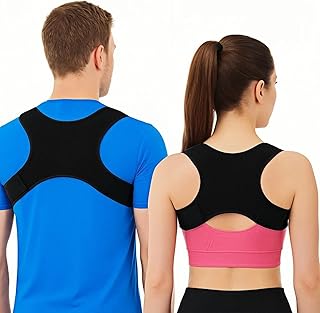
In today's digital age, where many of us spend hours hunched over desks or staring at screens, poor posture has become a widespread issue. This can lead to a cascade of problems, including chronic back pain, neck strain, headaches, and even a condition known as "tech neck." Fortunately, a simple and effective tool has gained popularity for combating these issues: the Posture Corrector. These devices are designed to gently pull your shoulders back and align your spine, offering both immediate relief and long-term postural improvement.
What is a Posture Corrector and How Does It Work?
A posture corrector is a supportive brace, typically worn around the upper back and shoulders. Its primary function is to provide proprioceptive feedback—a constant, gentle reminder to keep your shoulders back and spine straight. By limiting the forward hunching motion, it helps retrain your muscles to adopt a healthier alignment. This is not just about looking taller; proper alignment reduces strain on muscles and ligaments, alleviating pain in the neck, shoulders, and upper back. For those dealing with specific conditions like scoliosis or kyphosis (hunchback), these braces can offer crucial thoracic support.
Key Benefits of Using a Posture Brace
The advantages of integrating a posture support device into your routine are substantial. First and foremost is pain relief. By correcting slouching, the brace takes pressure off compressed nerves and overworked muscles, providing significant back pain relief and neck pain relief. Secondly, it promotes posture improvement over time. Consistent use can help strengthen the muscles responsible for good posture, making it feel more natural. Many users also report increased energy and reduced fatigue, as an open chest cavity improves breathing. For a deeper dive into the benefits and mechanics, check out this comprehensive Ultimate Guide to Posture Correctors.
Features to Look For in a Quality Posture Corrector
Not all posture correctors are created equal. When shopping, prioritize these features for comfort and effectiveness:
Adjustability: A one-size-fits-all approach rarely works. Look for an adjustable posture brace with straps that can be tightened or loosened to fit your body snugly without cutting off circulation. Products like the HLOES Posture Corrector and the KNXWALT Posture Corrector are praised for their customizable fit, acting as an effective adjustable shoulder straightener.
Breathability: You'll likely wear it for several hours. A breathable mesh design, like that found in the Upgraded Breathable Full Back Support brace, prevents overheating and skin irritation.
Comfort and Discretion: For all-day wear under clothes, a lightweight and invisible design is key. The Fit Geno Posture Corrector Invisilite is specifically marketed as an invisible posture aid, while the Vaunn® Back Correction Belt is designed to be invisible under clothes.
Support Level: Some braces focus on the upper back, while others, like the Kepwaa Posture Corrector, offer full back brace support including lumbar support, which is ideal for lower back issues.
Top Picks and Reviews
The market offers excellent options for both men and women. For a versatile unisex option, the UltraSupport+ Posture Corrector emphasizes comfort. Women-specific designs often consider fit and aesthetics, like the WNIEYO Back Brace available in colors like pink. It's always wise to read detailed assessments before buying. For instance, you can explore a dedicated Fit Geno Posture Corrector Review or a KNXWALT Posture Corrector Review to see real-user experiences on hunchback correction and pain management.
How to Use a Posture Corrector Effectively
Start slowly. Wear your back brace for 15-30 minutes a day, gradually increasing the duration as your body adjusts. It should feel supportive, not painfully restrictive. Always combine its use with strengthening exercises for your core and back muscles. Remember, the device is a tool for posture correction and retraining, not a permanent crutch. For a step-by-step usage guide, refer to resources like the Posture Corrector Usage Guide.
Investing in a quality posture corrector can be a transformative step for your health & wellness. Whether you need scoliosis support, seek slouching correction, or simply want to relieve daily aches, the right comfortable posture aid can provide the support you need to stand taller, feel better, and move through life with less pain. Many quality braces, such as the Kepwaa model, are even FSA/HSA eligible, making them a smart investment in your long-term well-being.